You want to pick the right composite LPG cylinder for your home or business. First, check the size and how much it can hold. Make sure it fits what you need. Always look for ISO and other world certifications. This helps you know the cylinder is safe. Compare different brands and prices to get the best deal. Make sure the cylinder works with your appliances. Check if it is real and not fake. Look at safety features like burst pressure and UV resistance. Only buy from trusted sellers. The table below shows that composite cylinders are safer and easier to use than traditional LPG cylinders.
Feature | Traditional LPG Cylinders | Composite LPG Cylinders |
Blast-Proof Technology | Not made for very high pressure | Handles high pressure, safer to use |
Resistance to Rust | Can get rusty and break down | Does not rust, stops leaks |
Weight | Heavy and hard to move | Light and simple to carry |
Safety Features | Not many | More features to keep you safe |
Key Takeaways
Pick the right size of composite LPG cylinder for your needs. Small cylinders are good for cooking at home. Big cylinders work better for businesses.
Always check for safety marks like ISO, DOT, or CE. These marks show the cylinder is safe to use.
Check the cylinder for damage before you buy it. Look for cracks, dents, or other signs of damage to stay safe.
Think about the weight and how easy it is to carry. Composite cylinders are lighter than metal ones. They are easier to move around.
Check and take care of your cylinder often. Look for leaks every month. Keep it in a dry place with good air flow.
What Is a Composite LPG Cylinder?
Definition and Materials
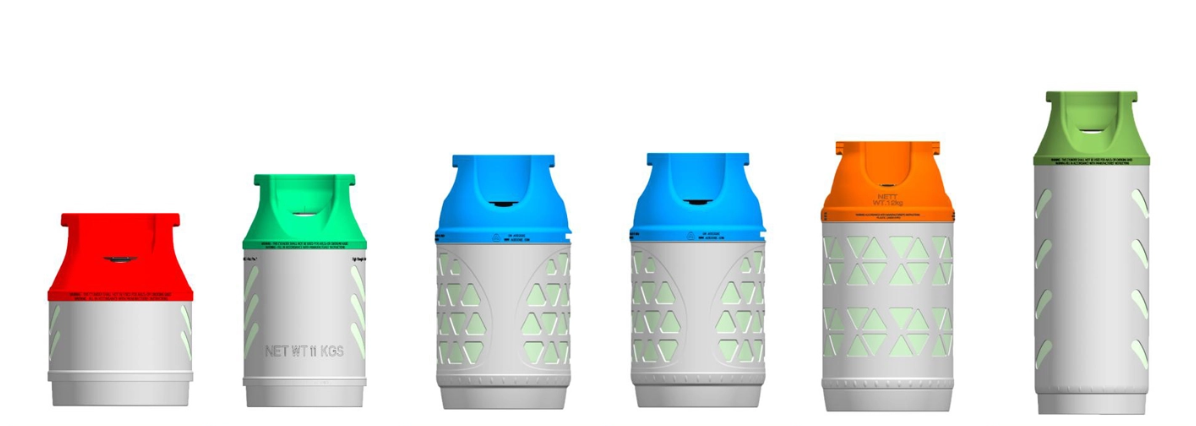
You might ask how a composite LPG cylinder is not like a metal one. Composite LPG cylinders use special materials to keep lpg safe and work well. Makers build these cylinders with layers. Each layer has its own job. The inner layer holds the gas and stops leaks. The middle layer makes the cylinder strong. The outer layer keeps the cylinder safe from harm and helps you carry it.
Here is a table that shows the main layers and materials used in a typical composite LPG cylinder:
Layer | Material Description |
Inner Layer | High-density polyethylene (HDPE) liner, molded to act as a gas barrier |
Reinforcement | Glass fibers with epoxy resin, adding strength and pressure resistance |
Outer Layer | HDPE casing, making the cylinder strong and giving you a good grip |
You can find different kinds of composite cylinders. Some use fiberglass to make them strong and save money. Others use carbon fiber to make them lighter and tougher. Type 4 cylinders are made fully from composite with a plastic liner. These types do not rust and last longer than metal ones.
Buyer Considerations
When picking a composite LPG cylinder, you should think about some key things. The materials matter because HDPE and fiberglass make the cylinder tough and bendable. Safety is most important. Composite cylinders do not blow up easily and keep lpg inside even when pressure is high. These cylinders are much lighter than metal ones, so you can move them easily.
Here is a table to help you see what to consider before buying:
Factor | Description |
Material Properties | HDPE and fiberglass give pressure resistance and support sustainability |
Safety Features | Explosion-proof design and better gas retention |
Weight | Lighter than metal cylinders, easy to handle |
Market Trends | Type III composite cylinders balance weight and strength |
Cost Efficiency | Lower maintenance and longer service life save you money |
You should check the type of composite cylinder, its safety features, and how simple it is to use. These steps help you choose the best one for your home or business.
Composite LPG Cylinder Benefits
Lightweight and Easy Handling
Composite LPG cylinders are easy to lift and carry. They are much lighter than steel cylinders. Most composite cylinders weigh only one-third as much as steel ones. You can move them without much effort. The grip and handle are made for comfort. You can hold the cylinder easily. The see-through material lets you check the gas level. You know when it is time to refill.
Cylinder Type | Weight Comparison |
Composite (Type 4) | About one-third the weight of steel |
Tip: Stackable composite cylinders help you save space when storing or moving them.
Enhanced Safety and Non-Explosive Design
Composite LPG cylinders give you more safety. Their strong design lowers the chance of leaks or explosions. Fiber-reinforced parts handle high pressure and hits. The cylinder has no joints, so there are fewer weak spots. Blast-proof layers use fiberglass and polymers to stop damage and rust. You can trust composite cylinders to keep lpg safe.
Durability and UV Resistance
Composite LPG cylinders last a long time. They do not break down from bad weather or sunlight. The outside layer blocks UV rays. You can use the cylinder outdoors without worry. Metal cylinders can rust and do not have UV protection.
Feature | Composite LPG Cylinders | Metal Cylinders |
UV Protection | Yes, with UV protective additives | No, susceptible to UV degradation |
Weather Resistance | Designed to withstand adverse weather conditions | Prone to corrosion over time |
Cost-Effectiveness Over Time
Composite LPG cylinders help you save money in the long run. They last about 15 to 20 years. Most need to be replaced after 15 years. Steel cylinders last about 10 years. You pay more at first, but you spend less on repairs and replacements. You can get your money back in 5 to 7 years.
Composite cylinders last for 15 years.
You pay less for repairs and upkeep.
Fewer replacements save you money.
Key Buying Factors
Size and Capacity
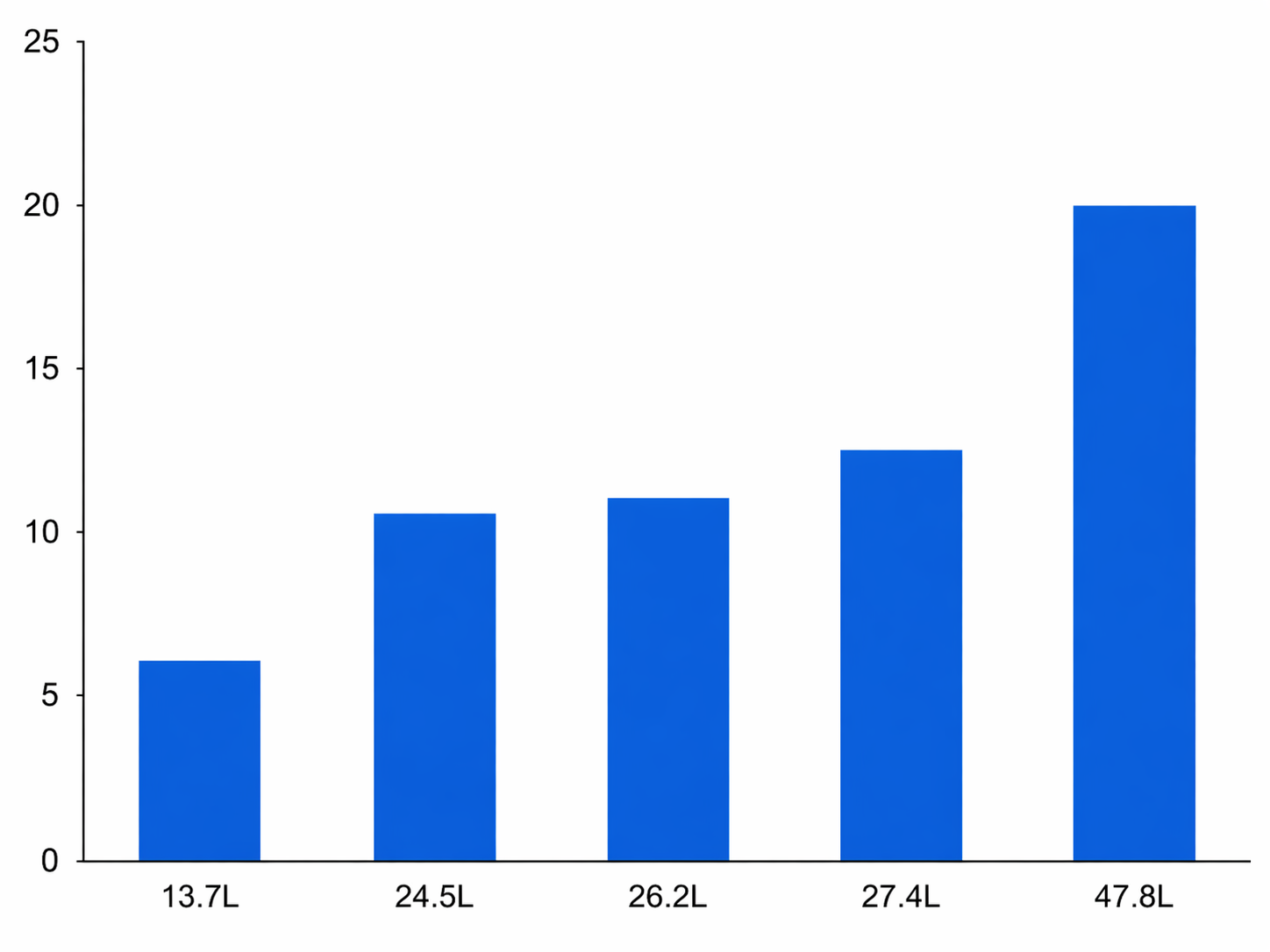
Pick the right size and how much it holds. The size you need depends on how much lpg you use. If you cook at home, a small cylinder is good. If you have a business, you need a bigger one.
Composite LPG Cylinder Size Options
Think about what you will use the cylinder for. If you need lpg for medical work, you may need a special size. For welding, check the gas type and how much you need. If you use lpg only sometimes, a small cylinder is enough. If you use it every day, a big one saves time.
Tip: Pick a cylinder size that matches how often you use lpg and what you use it for. This helps you not run out and keeps things safe.
Certification and Safety Standards
Check for safety marks before you buy a cylinder. Certified cylinders follow strict rules to keep you safe. The best cylinders have world safety marks. See the table for the main ones.
Certification | Description |
ISO 11120 | International standard for gas cylinders |
DOT | U.S. Department of Transportation regulations |
CE | European Conformity marking for safety |
Check the burst pressure too. Good cylinders must handle at least 100 bar. This means they can take high pressure and not break. Look for UV-resistant covers. UV resistance keeps the cylinder strong outside. The best cylinders last 15 years. Always check for these things:
ISO 11120, DOT, and CE marks
Burst pressure over 6.9 MPa (100 bar)
UV-resistant cover
15-year service life
Note: World safety marks and strong covers keep you and your things safe. Always check the marks and papers before you buy.
Appliance Compatibility
Make sure the cylinder works with your appliances. Check the valve type. The valve must fit your regulator. If it does not fit, you cannot use it safely. Check the test date. The cylinder must be safe and up to date. Always check the safety mark. This makes sure the cylinder is safe and works with your stuff.
Check the valve and regulator fit
Check the safety mark and test date
Make sure the cylinder fits your needs
Safety tip: Never use a cylinder that does not fit your appliance. This can cause leaks or damage.
Follow these buying tips to get the best composite lpg cylinder. You will have one that is safe, strong, and right for you.
Authenticity and Quality Checks
Certified Product Identification
Make sure you buy a real composite LPG cylinder. Look for clear marks and labels on the cylinder. These show it meets safety rules. Check for ISO, DOT, or CE stamps. These stamps prove the cylinder passed tests. Find the serial number and the date it was made. The serial number helps you track the product. The date shows if it is still safe to use. Ask the seller for the test certificate. This paper shows the cylinder has been checked for quality.
Tip: Always buy from trusted sellers. They give you real products and proper papers.
You can tell if a cylinder is real by looking at the brand logo. The logo should be sharp and not blurry. If the marks are fuzzy or labels are missing, the cylinder might not be real. Make sure the safety features match what the brand says.
Inspecting for Damage or Defects
Before buying, look at the cylinder carefully. Check for damage. Look for uneven color or bubbles under the resin. These signs mean the cylinder might not be safe. Feel the paint. If it feels sticky or soft, the cylinder could have problems. Look for dents or cracks on the surface. These can cause leaks. Check the valve threads for wear. Worn threads may leak gas. Smell the cylinder when using it. If you smell gas, it is not safe.
Here is a table to help you check for problems:
Inspection Item | Description |
Signs of Damage | Uneven color or bubbling |
| Dents or cracks |
| Sticky or soft paint |
Valve threads | Worn threads that may leak |
Surface condition | Bubbles or cracks in paint |
Manufacturing and test dates | Make sure it is still safe |
Smell for leaks | Detect any gas smell |
Safety alert: Never use a cylinder with cracks, leaks, or missing safety marks. These can be dangerous.
Checking for quality and authenticity keeps you safe. Always inspect the cylinder before buying. This step protects you and your family.
Where to Buy Composite LPG Cylinders
Authorized Dealers
You should buy your lpg from authorized dealers. These sellers follow strict rules. They sell real products. They know about safety standards. You can ask them which composite cylinder is best for you. Authorized dealers help after you buy. They refill cylinders and answer questions. You get a warranty from them. This makes you feel safe.
Tip: Ask the dealer to show proof they are authorized. This helps you avoid fake products.
Online vs. Offline Purchase
You can buy lpg cylinders online or offline. Each way has good and bad points. The table below shows the main differences:
Aspect | Online Purchasing | Offline Purchasing |
Convenience | Doorstep delivery and easy product comparison | You must visit stores in person |
Inspection | No physical inspection before buying | You can check and see safety features |
Additional Services | Only online support and reviews | Refilling and maintenance services are offered |
Market Growth | E-commerce is growing fast | Offline stores are still popular |
Subscription Models | Subscription delivery is possible | Not common in offline stores |
Buying online saves time. You can compare many products. You can read reviews from other buyers. You cannot check the cylinder before it arrives. Buying offline lets you see and touch the cylinder. You can check for damage and ask about safety. Many stores help with refilling and repairs.
Questions for Sellers
Ask the seller important questions before you buy. These questions help you stay safe:
Does this lpg cylinder have ISO, DOT, or CE certification?
What is the burst pressure rating?
Is the cylinder UV-resistant?
How long does it last?
Can I see the test certificate and manufacturing date?
Do you offer after-sales support or refilling?
Safety reminder: Always check answers and papers before you buy. This keeps you and your family safe.
Maintenance and Handling
Safe Usage Tips
You must use composite LPG cylinders safely every time. Fill the cylinder only with gases that are approved. Look at the label to see which gases are okay. Check the label for safe conditions too. After you use the cylinder, look for cracks or dents. Also check for burns on the surface. Clean the cylinder with water or mild soap. Let it dry in the air. Do not heat the cylinder over 100°C. Be gentle when you move it. Never drag or drop the cylinder. Make sure it is secure when you move it. Protect the valve from getting hit.
Category | Safe Usage Practices |
Filling Regulations | Fill only with approved gases. Check ADR P200 for which gases are safe. |
Maintenance After Use | Look for damage. Clean with water or mild soap. Let it dry. Do not heat above 100°C. |
Storage Recommendations | Close the valve tight. Keep 2–3 bar pressure. Store in a dry place with air. Stop it from rolling. |
Handling Precautions | Move carefully. Do not drag or drop. Secure it when moving. Keep the valve safe from hits. |
Tip: Always check for damage before and after you use the cylinder. This keeps you safe and helps your cylinder last longer.
Proper Storage
Storing your composite LPG cylinder the right way keeps it safe. Put it in a dry place with good air flow. Make sure the valve is closed tight. Keep the cylinder away from things that make heat. Stop it from rolling or tipping over. Look at the cylinder every month for rust or dents. Also check for leaks. Test gas detectors every week to make sure they work. Clean and check valves and fittings often. Write down checks and repairs in a log.
Store in a dry place with air.
Close the valve tight.
Keep away from heat.
Stop it from rolling or tipping.
Check for rust, dents, or leaks every month.
Test gas detectors every week.
Clean and check valves and fittings.
Write checks and repairs in a log.
Safety alert: Storing and checking your cylinder often stops accidents and keeps it working well.
Service Life and Replacement
Composite LPG cylinders last about 15 years. You should check them every 5 years to keep them safe. Look at the date it was made and the inspection papers. Get a new cylinder if you see damage or if it is too old.
Service Life | Inspection Frequency |
15 years | Every 5 years |
Note: Checking and replacing your cylinder on time keeps you safe and helps you use it the right way.
When you buy a composite lpg cylinder, focus on safety and certification. Look for ISO, DOT, or CE marks. Make sure the cylinder fits your lpg appliances and comes from a trusted seller. Check for UV resistance and a high burst pressure. Take care of your composite cylinder by following these steps:
Inspect for cracks, burns, or dents.
Clean with water or mild detergent.
Store with the valve closed and keep some pressure inside.
Place it in a dry, ventilated spot away from heat.
Protect it from rolling or tipping.
These actions help you stay safe and make your cylinder last longer. Choose wisely for peace of mind.
FAQ
How do you check if a composite LPG cylinder is genuine?
Look for ISO, DOT, or CE marks on the cylinder. Check the serial number and when it was made. Ask the seller for a test paper. Only buy from sellers who are allowed to sell these cylinders.
What is the service life of a composite LPG cylinder?
Most composite LPG cylinders last about 15 years. Check the inspection date every 5 years. Replace the cylinder if it is damaged or too old.
Can you use composite LPG cylinders outdoors?
Yes, you can use composite LPG cylinders outside. The UV-resistant cover keeps it safe from sunlight. Store it in a dry place with air and away from heat.
What safety features should you look for?
Look for burst pressure over 6.9 MPa and a UV-resistant cover. Make sure it has world safety marks. These things help keep you safe and make the cylinder last longer.
How do you clean and maintain your composite LPG cylinder?
Wash the cylinder with water or mild soap. Let it dry in the air. Check for cracks, dents, or burns after each use. Store it standing up with the valve closed.