In today’s world, fiber gas cylinders have emerged as a highly reliable, lightweight, and efficient solution for storing and transporting liquefied petroleum gas (LPG). Widely used in outdoor activities, camping, catering services, food trucks, and industrial applications, fiber gas cylinders offer numerous advantages over traditional steel gas cylinders. These advantages include reduced weight, enhanced corrosion resistance, improved portability, and visible fuel levels that allow users to monitor consumption effectively.
However, owning a fiber gas cylinder comes with responsibility. Improper installation or removal can lead to gas leaks, equipment malfunctions, and in severe cases, serious safety hazards. This guide provides a comprehensive and step-by-step approach to installing, removing, and maintaining fiber gas cylinders safely. Following these procedures ensures the safety of your home, workplace, or outdoor environment while maximizing the cylinder's service life.
Structure of a Fiber Gas Cylinder
Before attempting to install or remove a fiber gas cylinder, it is essential to understand its structure and core components. Familiarity with the cylinder's design not only improves safety but also allows users to handle the equipment confidently.
1. Materials and Design Features
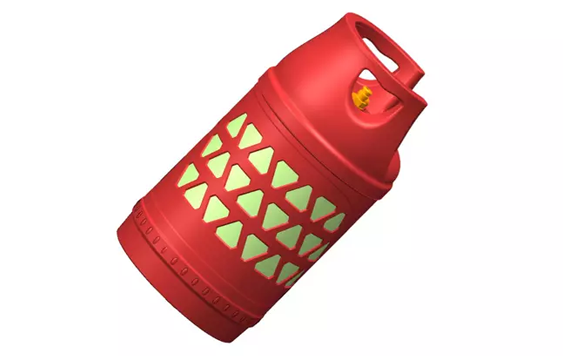
Fiber gas cylinders are primarily made of high-strength fiber-reinforced composite materials, which makes them lightweight yet extremely durable. Unlike traditional steel cylinders, these fiber cylinders are resistant to corrosion, impacts, and environmental wear. Many models feature a transparent or semi-transparent outer layer, enabling users to monitor gas levels without the need to open the cylinder. This visual feedback is particularly useful in outdoor activities such as camping or food service applications, where running out of fuel unexpectedly can disrupt operations.
Additionally, the composite materials used in fiber gas cylinders help maintain a stable internal temperature, reducing risks associated with gas expansion or high-pressure conditions. This combination of lightweight, durable materials and visibility makes fiber gas cylinders a preferred choice for both domestic and professional use.
2. Key Components of a Fiber Gas Cylinder
A fiber gas cylinder consists of several important components, each contributing to safety and efficient operation:
Valve
The valve is the primary control component, regulating the flow of gas from the cylinder to connected appliances. High-quality valves are designed to maintain a tight seal, preventing leaks while providing ease of operation. Some advanced valves even include safety locks to prevent accidental gas release, particularly in households with children or in busy commercial kitchens.
Pressure Relief Device
A critical safety feature, the pressure relief device automatically releases excess gas when internal pressure exceeds safe limits. This prevents potential cylinder rupture caused by overpressure conditions. Proper understanding of this device is essential, as tampering or disabling it can result in hazardous situations.
Cylinder Body and Base
The cylinder body stores the liquefied gas, while the base provides stability. A well-designed base ensures the cylinder remains upright during use or storage, preventing tipping or rolling that could damage the valve or cause gas leakage. Some fiber gas cylinders also feature protective outer shells that absorb minor impacts, further improving safety.
Step-by-Step Installation of a Fiber Gas Cylinder
Proper installation is the first line of defense in ensuring the safe and efficient use of a fiber gas cylinder. The following steps provide a detailed guide to installing your cylinder correctly.
1. Safety Inspection
Before installation, perform a thorough inspection:
Visual Check for Damage: Examine the cylinder body for cracks, dents, or any signs of physical damage. Even minor damage can compromise safety.
Valve and Seal Inspection: Check the valve and sealing ring (O-ring) for wear, cracks, or deformation. Damaged seals can cause gas leaks, which may lead to fire hazards or explosions.
Certification and Expiry: Ensure the cylinder is within its valid certification date. Fiber gas cylinders are designed to be durable, but over time, material degradation can occur.
2. Choosing a Suitable Location
The placement of a fiber gas cylinder plays a significant role in safe operation:
Ventilation: Always install the cylinder in a well-ventilated area. Adequate airflow ensures that any accidental gas leakage disperses quickly, reducing fire or inhalation risks.
Stable Surface: Place the cylinder on a flat, sturdy surface to prevent tipping or rolling. Avoid uneven ground or slippery surfaces.
Away from Heat Sources: Keep the cylinder away from direct sunlight, stoves, heaters, and flammable materials. Prolonged exposure to heat can increase internal pressure and trigger the pressure relief device unnecessarily.
For outdoor activities, ensure the cylinder is sheltered from rain, moisture, and dirt, which could damage the valve or affect performance.
3. Connecting to Gas Appliances
When connecting the cylinder to an appliance:
Follow Appliance Instructions: Always use the gas hose and regulator recommended by the appliance manufacturer.
Secure Connection: Attach the hose or regulator to the cylinder valve firmly but without over-tightening. Excessive force can damage the valve threads.
Positioning of Hoses: Ensure that hoses are not kinked, bent excessively, or in contact with sharp edges. Proper hose positioning prevents accidental disconnection or leaks.
4. Leak Detection
Once connected, perform a leak test:
Soap Water Test: Apply a solution of soap and water to the valve and hose connection points. Formation of bubbles indicates a leak.
Gas Detection Solution: Specialized gas detection liquids or electronic sensors can also be used for enhanced safety, especially in commercial environments.
If a leak is detected, immediately disconnect the cylinder and repeat the installation steps. Never attempt to use a leaking cylinder, as this poses a severe safety hazard.
Step-by-Step Removal of a Fiber Gas Cylinder
Proper removal of a fiber gas cylinder is as crucial as installation. Following safe procedures ensures residual gas is released safely and prevents damage.
1. Close the Valve
Start by turning off the cylinder valve completely to stop gas flow. Confirm that no gas is being released from the appliance before proceeding.
2. Allow Residual Gas to Escape
After shutting off the valve, allow any remaining gas inside the appliance or hoses to dissipate. This step prevents gas from escaping unexpectedly during disconnection.
3. Disconnect the Cylinder
Follow these guidelines:
Manual Instructions: Always adhere to the appliance or cylinder manufacturer’s recommended sequence when detaching hoses or regulators.
Avoid Force: Never use excessive force to remove connectors or valves. Doing so can damage the valve or cylinder threads, leading to leaks or operational failure.
4. Storage Guidelines
After removal:
Upright Storage: Store the cylinder vertically on a flat surface to maintain stability. Avoid horizontal or inverted placement.
Cool, Dry, Ventilated Location: Protect the cylinder from extreme temperatures, moisture, and direct sunlight. A shaded, well-ventilated area is ideal.
Avoid Crowding: Do not store cylinders close to combustible materials or other pressurized containers.
Usage and Maintenance Tips
Maintaining your fiber gas cylinder properly ensures safety and longevity:
Regular Inspections: Periodically check for physical damage, corrosion, or valve wear.
Safe Handling: Avoid dropping, striking, or rolling the cylinder during transport or storage.
Adhere to Manufacturer Guidelines: Follow recommended inspection intervals and replacement schedules for cylinders and valves, even if they appear undamaged.
Keep Records: For commercial users, maintain logs of installation, inspections, and replacement dates for regulatory compliance.
Conclusion
Fiber gas cylinders offer a modern, safe, and highly efficient alternative to traditional steel cylinders, making them increasingly essential in outdoor activities, catering, mobile food services, and industrial applications. However, their full benefits—lightweight design, durability, and safety—can only be realized through proper installation, removal, and maintenance. By following key steps such as thorough inspection, secure connections, leak testing, careful disconnection, and correct storage, users can ensure optimal performance, extended service life, and reliable operation.
For those looking to explore high-quality fiber gas cylinders or seeking professional guidance on safe handling and applications, Aceccse (Hangzhou) Composite Co., Ltd. provides a comprehensive range of solutions tailored to both commercial and personal needs. Their expertise in composite gas cylinders ensures products meet stringent safety standards while offering maximum efficiency and convenience. Contacting them can help users select the right cylinders, gain technical support, and fully leverage the advantages of fiber gas technology for any setting—whether for home use, outdoor recreation, or industrial operations.
Frequently Asked Questions (FAQ)
1. Can a fiber gas cylinder be stored horizontally?
It is not recommended. Cylinders should always be stored upright to maintain stability and ensure proper valve function.
2. How often should I check connections for leaks?
Perform a leak check immediately after installation and periodically every 1–2 months to ensure ongoing safety.
3. What should I do if the cylinder valve is damaged?
Do not attempt to repair a damaged valve yourself. Contact the manufacturer or a certified technician for replacement to avoid potential hazards.
4. Can I replace the sealing ring myself?
Yes, provided you use the original sealing ring supplied by the manufacturer and follow the replacement instructions carefully to maintain a proper seal.
5. Can fiber gas cylinders be used outdoors in all weather conditions?
While fiber gas cylinders are durable, extreme conditions such as heavy rain, snow, or excessive heat should be avoided. Protective covers or shaded placement can extend the cylinder’s service life.


