

Views: 0 Author: Site Editor Publish Time: 2025-09-25 Origin: Site


Liquefied Petroleum Gas (LPG) plays an essential role in powering modern households—whether it’s for daily cooking, heating, or outdoor activities. Safety, convenience, and durability are the top concerns when choosing an LPG cylinder for home use. The 24.5L composite LPG cylinder (Model LPG4-G-292-24.5) has been specially designed to address these needs. Engineered with advanced composite materials and international safety standards, it provides a lightweight yet robust solution that ensures long-term reliability and peace of mind for families.
The LPG4-G-292-24.5 model is a purpose-built home-use composite gas cylinder. With a water capacity of 24.5 liters and an LPG filling capacity of 10–10.5 kg, it’s the perfect balance between size and convenience for family kitchens, outdoor grilling, or camping trips.
It measures 575mm in height and 305mm in diameter, offering compact storage and portability. At just 5.0 kg (tare weight without valve), it is significantly lighter than conventional steel cylinders, making it easier to handle.
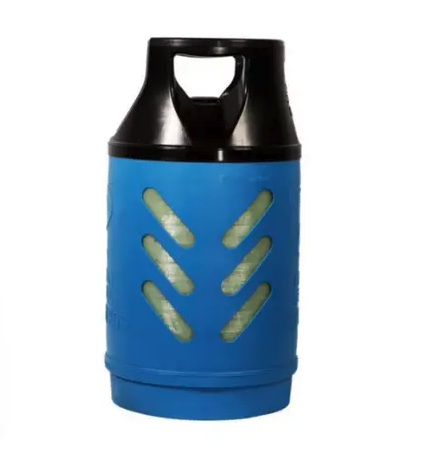
The 24.5L cylinder is built with three protective layers, each adding durability and safety:
First Layer → Non-load-sharing HDPE liner with a seamless molded boss and metal insert.
Second Layer → Fully-wrapped fiberglass composite, filament wound for superior strength.
Third Layer → High-density HDPE casing with a window, protecting both the vessel and the valve.
This layered structure ensures the cylinder is:
Resistant to impacts.
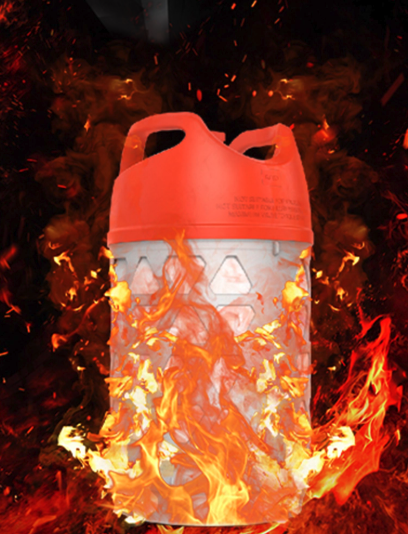
Fire-safe (controlled burn, no explosion).
Corrosion-proof for longer service life.
Here’s a closer look at the engineering details:
| Specification | Value |
|---|---|
| Water Capacity | 24.5 L |
| LPG Filling Capacity | 10–10.5 kg |
| Height | 575 mm |
| Diameter | 305 mm |
| Tare Weight (no valve) | 5.0 kg |
| Working Pressure (Pw) | 20 bar |
| Test Pressure (Ph) | 30 bar |
| Burst Pressure (Pb) | ≥100 bar |
| Standards Compliance | ISO 11119-3 & EN 14427 |
| Retesting/Requalification | ISO 11623, per local regulation |
| Valve Torque | Max 120 Nm |
| Valve Options | M26×1.5 & G3/4, customizable |
| Outer Casing Color | As per customer needs |
| RFID Tag | Optional, per request |
This design ensures it not only meets but exceeds safety norms in multiple regions.
Explosion-Proof Fire Behavior → Gas leaks through micro-gaps in a controlled way, creating a stable surface flame instead of an explosion.
Extended Service Life → Proven performance of 20+ years in international use without frequent requalification.
Customizable → Outer casing color, gas valve type, and RFID tracking can be tailored to customer requirements.
Strong Yet Lightweight → Only 5 kg empty weight, but engineered to withstand 100 bar burst pressure.
When it comes to filling composite LPG cylinders, adherence to strict regulations is essential to ensure safety and compliance. Composite LPG cylinders should only be filled with gases that are explicitly approved by international standards. This is crucial because using unapproved gases can lead to unsafe conditions and potential hazards. Before refilling, it is imperative to always check the packing provision column of ADR P200. This document provides detailed information on the types of gases that are compatible with composite cylinders and the specific conditions under which they should be filled. By following these guidelines, you can ensure that your cylinder is filled correctly and safely, reducing the risk of accidents and extending the life of the cylinder.
Proper maintenance after using a composite LPG cylinder is vital for ensuring its longevity and safety. After each use, it is important to inspect the body of the cylinder for any signs of damage such as cracks, burns, or dents. These types of damage can compromise the integrity of the cylinder and lead to potential safety issues. If any damage is detected, the cylinder should not be used again until it has been professionally inspected and repaired if necessary.
Cleaning the cylinder is also an important step in its maintenance. It is recommended to clean the cylinder with water or a mild detergent to remove any dirt, grease, or residue that may have accumulated during use. After cleaning, the cylinder should be allowed to air-dry completely before reassembling any parts. This ensures that no moisture remains inside the cylinder, which could lead to corrosion or other issues. Additionally, it is important to avoid heating the cylinder above boiling water temperature (100°C). Excessive heat can damage the composite material and reduce the cylinder’s structural integrity.
Storing a composite LPG cylinder correctly is crucial for maintaining its safety and functionality. When storing the cylinder, always ensure that the valve is closed tightly to prevent any gas leakage. It is also recommended to leave 2–3 bar of pressure inside the cylinder while in storage. This residual pressure helps to keep the cylinder’s internal components in good condition and prevents the ingress of moisture or contaminants.
The storage location is equally important. Composite LPG cylinders should be kept in a dry, ventilated place away from heat sources. This helps to prevent the buildup of gas fumes and reduces the risk of accidents. Additionally, the cylinder should be protected from rolling or tipping, which can cause damage to the cylinder or its valve. Proper storage not only ensures the safety of the cylinder but also helps to maintain its performance and reliability over time.
Handling composite LPG cylinders with care is essential to prevent damage and ensure safety. Never drag or drop the cylinder, as this can cause significant damage to the composite material and the valve. Instead, always handle the cylinder with care and use appropriate lifting equipment if necessary. During transport, the cylinder should be secured to prevent it from moving around, which can lead to accidents and damage.
Protecting the valve at all times is also crucial. The valve is a sensitive component that can be easily damaged if exposed to impacts or harsh conditions. Always keep the valve protected, whether the cylinder is in storage or in transit. By following these handling precautions, you can significantly reduce the risk of accidents and ensure that your composite LPG cylinder remains safe and reliable for its intended use.
If paint chips off, retouch only with air-drying paints. Avoid corrosive chemicals, acid strippers, or burning methods. These can harm composite layers.
The cylinder should never be left standing in unknown chemicals. If exposed, the outer surface may bubble, smear, or soften.
Signs of Damage
Blotchy discoloration.
Bubbling under resin.
Sticky or softened paint.
What to Do
Reject cylinders soaked in unknown chemicals.
Hold and consult an expert if unsure.
Replace if resin is visibly damaged.
| theme | content |
|---|---|
| Painting and Surface Care | If paint chips off, retouch only with air-drying paints. Avoid corrosive chemicals, acid strippers, or burning methods. These can harm composite layers. |
| Chemical Exposure Risks | The cylinder should never be left standing in unknown chemicals. If exposed, the outer surface may bubble, smear, or soften. |
| Signs of Damage | Blotchy discoloration. Bubbling under resin. Sticky or softened paint. |
| What to Do | Reject cylinders soaked in unknown chemicals. Hold and consult an expert if unsure. Replace if resin is visibly damaged. |
Keep your cylinder in top condition with regular checks.
Inspection Checklist
Look for dents or surface cracks.
Inspect valve threads for wear.
Check paint or resin surface for bubbling.
Confirm manufacturing and test dates.
Smell for leaks during use.
If issues appear, stop using immediately. Contact an authorized service provider or replace the cylinder.
Yes. In fire conditions, it releases gas slowly, creating a controlled flame without explosion.
It has a proven service life of 20+ years in international markets.
Yes, but only with air-drying paint. Never use chemical strippers or fire methods.
No frequent inspections are required within its expected service life. Still, always check before use.
It’s lighter, safer, corrosion-free, and lasts longer.
The 24.5L composite LPG cylinder stands out as a new generation of safe, lightweight, and durable gas storage solutions. From its explosion-proof fire performance to its 20+ year service life, it represents a major upgrade over conventional steel cylinders. Families, retailers, and distributors can benefit from its customizable features, international compliance, and user-friendly handling.
At Aceccse (Hangzhou) Composite Co., Ltd., we are committed to delivering world-class composite LPG cylinders that combine safety, innovation, and efficiency. With advanced manufacturing technology and strict quality control, we provide customers worldwide with products that not only meet but exceed expectations. Partner with us to bring safer and smarter energy solutions to homes and businesses across the globe.


