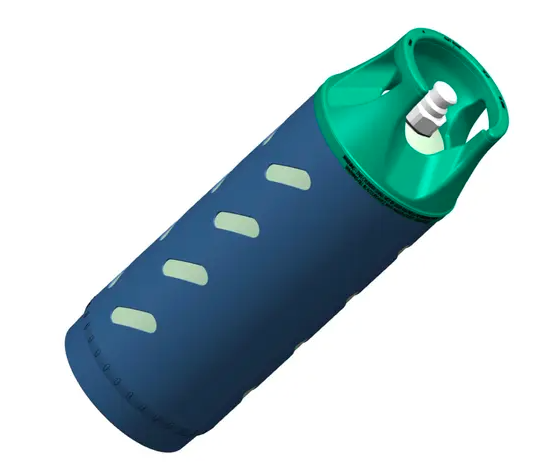
You will see that a composite gas cylinder lasts 15 to 20 years. Different places have different rules. In the U.S., the law often says cylinders last 15 years. Some European rules do not set a time limit. The table below lists important rules you should know:
Regulation/Standard | Description |
ISO 11119 | Service life is only fifteen years from when made. |
49 CFR § 173.301 | Cylinder cannot be moved after it expires. |
49 CFR § 180.205 | Cylinder cannot be filled or moved after it expires unless allowed. |
You need to know these rules for safety and to follow the law. Checking your cylinder often helps you find problems early and keeps it safe.
Key Takeaways
Composite gas cylinders usually last 15 to 20 years. Always look at the expiration date on your cylinder.
In the U.S., most cylinders must be changed after 15 years. Follow your local rules to stay safe.
Check your cylinder often for any damage. Look for cracks or dents before and after you use it.
Keep cylinders in a cool, dry place. Do not put them in sunlight or near strong chemicals. This helps them last longer.
Testing is very important. Most cylinders need testing every five years to make sure they are safe.
Composite Gas Cylinder Service Life
Standard Lifespan in the U.S.
In the United States, there are clear rules for how long you can use a composite gas cylinder. The U.S. Department of Transportation says you must stop using most composite gas cylinders after 15 years. This rule is made to keep people safe and to make sure everyone follows the law. The National Fire Protection Association sometimes says you must stop using some cylinders after only 10 years, like for firefighting. You should always look at the markings on your cylinder to know when it expires.
Other groups, like the Occupational Safety and Health Administration and the Compressed Gas Association, also follow DOT rules or give extra advice. The table below lists these groups and what they say:
Regulatory Body | Requirement |
U.S. Department of Transportation | Standard lifespan of 15 years |
Occupational Safety and Health Admin | Refers to DOT regulations (49CFR) |
Compressed Gas Association | Pamphlet C6 and C8 for guidelines |
Some experts think a composite gas cylinder could last up to 30 years if you take really good care of it. But most U.S. rules do not allow this longer time. You should always follow the date marked on your cylinder.
Tip: Always check the label on your cylinder. The date tells you when you must stop using it.
Lifespan in Europe and Other Regions
If you use a composite gas cylinder in Europe, the rules are different. Many cylinders in Europe follow the EN 12245 standard. You must test these cylinders every 5 years from when they were made. The lifespan can be 15 or 20 years, but you cannot use them past the date marked "FINAL" on the cylinder. When the cylinder reaches this date, you must stop using it.
Composite gas cylinders made to EN 12245 (CE marked) need testing every 5 years.
The lifespan is either 15 or 20 years and cannot be made longer.
The expiry date is marked with "FINAL" and the year and month.
You must remove the cylinder from service when it reaches the end of its lifespan.
Some countries outside Europe do not have a strict time limit. The United Nations Model Regulations say you can design a composite gas cylinder for unlimited life. But most cylinders still have a 15-year limit to keep people safe and to match other rules.
You should always check the rules in your country. Some places may let you use a cylinder longer, but safety is most important. Always follow the markings and test your cylinder on time.
Factors Affecting Longevity
Usage and Environmental Impact
The way you use a composite gas cylinder changes how long it lasts. If you use it in tough places, it may not last as long. Strong sunlight, chemicals, or big temperature changes can make it wear out faster. Dropping or bumping the cylinder can also hurt it. You should always be careful when you use your cylinder.
Here is a table that shows what can change how long your cylinder lasts:
Factor | Description |
Product Performance | How well the cylinder handles pressure, heat, and the environment. |
Material Quality | The strength and purity of the carbon fiber and resin. |
Manufacturing Capabilities | The quality checks during production. |
Innovation & R&D | New designs and materials that make cylinders last longer. |
Regulatory Compliance | Following safety rules to keep the cylinder safe. |
Customer Support & Service | Getting help and advice when you need it. |
Pricing & Value | The balance between cost and how long the cylinder lasts. |
Track Record & References | Proof that the cylinder works well in real life. |
If you use the cylinder roughly, it can get matrix cracking or fiber breakage. Delamination can also happen. These problems can make the cylinder unsafe.
Tip: Keep your cylinder in a cool, dry place. Do not put it in sunlight or near harsh chemicals.
Maintenance and Inspections
Checking your composite gas cylinder often helps you spot problems early. You should look at your cylinder as often as the rules say. For non-corrosive gases, check it every 10 years. For corrosive or toxic gases, check it every 5 years. Some chemicals may need even more checks.
Type of Gas | Inspection Interval |
Non-corrosive gases | once every 10 years |
Corrosive or toxic gases | once every 5 years |
Some liquefied gases or chemicals | preliminary testing |
You should also look for cracks, dents, or other outside damage. Use the CGA C-6 or C-6.3 rules for these checks. After the first check, keep checking every five years.
Always follow the check schedule.
Take the cylinder out of use if you see damage.
Do not try to fix a damaged cylinder yourself.
Note: Makers test each cylinder design to make sure it is safe for its whole service life. You cannot use a cylinder after its approved lifespan, even if it looks okay.
Composite Gas Cylinder Regulations
U.S. DOT and NFPA Standards
You should know the main rules in the U.S. The Department of Transportation makes these standards. The DOT says you must check most cylinders every 10 years. If you use volumetric expansion testing, check every 10 years. Proof pressure testing also means checking every 10 years. Visual checks must happen every five years.
DOT rules say check cylinders after 10 years.
Use the right testing method for your cylinder.
Visual checks are needed every five years.
The National Fire Protection Association has rules too. The NFPA uses DOT testing for SCBA cylinders. You must test these cylinders every five years. NFPA 1852 explains how to care for and test SCBA cylinders.
Note: Hydrostatic testing looks for leaks and weak spots. This test helps keep you safe and makes your cylinder last longer.
European and International Rules
In Europe, you follow different rules for your cylinder. Most countries use the EN 12245 standard. You must test your cylinder every five years. The cylinder has a "FINAL" date. You cannot use it after this date.
International groups also make rules for testing and recertification. Here is a table with some main organizations and their standards:
Organization | Standard Code | Description |
International Standards Organization | ISO 16148 | Acoustic emission testing for regular checks. |
Compressed Gas Association | CGA C-18 | Ways to requalify with acoustic emission. |
American Society for Testing and Materials | ASTM E1419 | Test method for checking pressure vessels with acoustic emission. |
The United States does not let you use cylinders longer than 15 years. Even if a maker asks, the DOT does not allow longer use. In Europe, you must follow the "FINAL" date. You cannot use the cylinder after this date.
Always check your local rules and the markings on your cylinder. Testing and recertification help keep you safe and make sure you follow the law.
You need to remember a few key steps to keep your gas cylinders safe and legal:
Replace cylinders after 15 years, even if they look fine.
Check for damage before and after each use.
Test cylinders every five years.
Store them in a cool, dry place.
Never use a cylinder past its marked lifespan.
Regular inspections and following local rules help prevent leaks, corrosion, and legal trouble. Always check the manufacturer’s instructions and stay updated on safety standards.
FAQ
How do you know when to replace a composite gas cylinder?
Check the label for the expiration date. Most cylinders have a marked "FINAL" date. You must stop using the cylinder when it reaches this date.
What should you look for during cylinder inspection?
Look for cracks, dents, or signs of damage. Check the valve and threads. If you see any problems, remove the cylinder from service.
Can you extend the life of your cylinder with extra testing?
No, you cannot extend the lifespan past the marked date. Regulations do not allow you to use a cylinder after it expires, even if it passes extra tests.
How should you dispose of an expired composite gas cylinder?
Contact your local hazardous waste center. They will tell you how to safely dispose of the cylinder. Never throw it in regular trash.


