When it comes to storing and transporting liquefied petroleum gas (LPG), durability and safety are key factors. Whether used in homes, restaurants, or industrial facilities, LPG cylinders must ensure stable and long-term performance. Traditionally, steel cylinders have been the standard choice for LPG storage, valued for their strength but limited by their heavy weight, rust issues, and need for frequent inspections and repainting. Over time, corrosion and metal fatigue can reduce their lifespan to about 8–12 years.
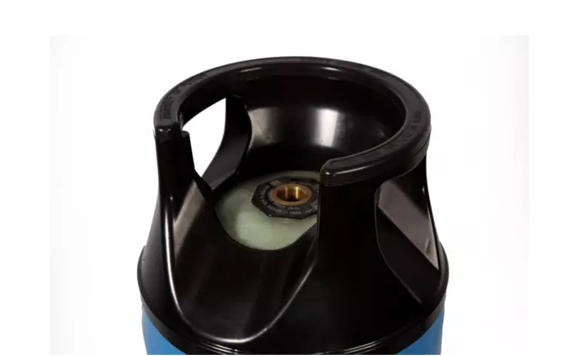
In contrast, the fiber gas cylinder—also known as the composite LPG cylinder—offers a new generation of lightweight, corrosion-resistant storage technology. Made from high-density polyethylene (HDPE), fiberglass, and epoxy resin, these cylinders provide exceptional durability and safety. In actual use abroad, fiber gas cylinders have shown a service life of over 20 years without the need for regular inspections, making them a safer, longer-lasting, and more cost-effective alternative to traditional steel models.
Material and Manufacturing Factors Affecting Lifespan
The longevity of a fiber gas cylinder begins with the quality of its materials and the precision of its manufacturing process. Unlike traditional steel cylinders, which rely on a single metal shell, composite cylinders are made from multiple engineered layers, each serving a specific function to enhance strength, safety, and lifespan.
1. High-Density Polyethylene (HDPE) Inner Liner
At the core of a fiber gas cylinder lies an HDPE liner, which acts as the primary gas containment barrier. HDPE is chemically inert and resistant to corrosion, moisture, and most acids, ensuring that the LPG stored inside remains uncontaminated. Unlike steel, HDPE does not rust or degrade when exposed to humidity or gas condensates. This characteristic alone significantly contributes to the cylinder’s long-term reliability, particularly in coastal or humid environments.
2. Fiberglass Reinforcement Layer
Surrounding the HDPE liner is a strong fiberglass wrapping, which provides mechanical strength and pressure resistance. Fiberglass is lightweight yet incredibly strong — it can withstand high internal pressure while maintaining a much lower weight than steel. During production, the fiberglass filaments are precisely wound around the liner using automated winding machines to achieve uniform tension and layering. This process prevents weak points and ensures consistent structural integrity throughout the cylinder body.
3. Epoxy Resin Matrix
The fiberglass layer is bonded with epoxy resin, which serves as both a binder and a protective coating. The resin hardens to create a rigid matrix that holds the fibers in place, providing excellent impact resistance and fatigue strength. It also prevents moisture or UV light from degrading the structural materials over time. Together, the fiberglass and epoxy layers enable the cylinder to withstand repeated pressurization cycles without deformation or cracking.
4. Layered Lamination and Advanced Manufacturing Techniques
Modern manufacturers use layered lamination and filament winding technology to further enhance durability. Each layer is carefully aligned and cured to create a composite structure capable of resisting extreme pressure and temperature variations. These precision-engineered layers allow fiber gas cylinders to perform safely even after thousands of fill-and-empty cycles — a level of endurance far exceeding that of conventional steel cylinders.
Through this advanced material design, fiber gas cylinders achieve both lightweight convenience and long-term durability, setting them apart from all-metal alternatives.
Environmental Factors
While material strength plays a major role in determining the lifespan of a fiber gas cylinder, environmental exposure also has a significant impact. Cylinders are often used and stored in diverse settings — from humid coastal kitchens to high-temperature industrial facilities — and these conditions can influence longevity.
1. Moisture and Humidity
Traditional steel cylinders are highly susceptible to corrosion in humid or wet environments. Even a small amount of water exposure can lead to rust, weakening the metal walls and creating potential gas leaks. Fiber gas cylinders, however, are inherently resistant to corrosion because of their HDPE and composite structure. Moisture cannot penetrate the fiberglass or resin layers, so they maintain their strength and safety even when used outdoors or near water sources. This makes them ideal for marine applications, coastal regions, and humid climates.
2. Salt Mist and Chemical Exposure
In industrial and coastal environments, exposure to salt mist, chemicals, or cleaning agents can accelerate the degradation of metal surfaces. Composite fiber cylinders are non-metallic and chemically inert, which means they do not react with salt or other corrosive substances. As a result, users in these regions can expect their fiber gas cylinders to maintain full structural integrity for decades, unlike steel cylinders that require frequent repainting or rust treatment.
3. Temperature Fluctuations
Extreme temperature changes can also affect the lifespan of an LPG cylinder. In cold environments, steel cylinders may become brittle, while in high heat, internal pressure increases significantly. Fiber gas cylinders are designed to handle a wide range of temperatures thanks to their thermal stability and flexibility. The composite materials expand and contract less dramatically than metal, reducing stress on joints and seals. This stability ensures a safer, longer-lasting cylinder under varying environmental conditions.
Maintenance and Usage Tips
Even though fiber gas cylinders are built for long service life, proper maintenance and handling practices are essential to achieve their full lifespan potential. The following recommendations can help ensure optimal safety and performance.
1. Proper Storage
Fiber gas cylinders should be stored in a clean, dry, and well-ventilated area, away from direct sunlight and open flames. Although they are resistant to UV radiation and temperature fluctuations, minimizing exposure to harsh elements will further extend their service life. When stored outdoors, placing the cylinder under a shaded cover or canopy is recommended.
2. Regular Visual Inspections
Users should perform routine visual checks for cracks, discoloration, or signs of external damage. While composite cylinders are highly impact-resistant, mechanical shocks or accidental drops can sometimes cause surface wear. Inspecting valves and connectors for leaks or corrosion also helps maintain safe operation.
3. Pressure and Integrity Testing
Manufacturers typically recommend periodic pressure tests and integrity checks, usually every five years, depending on national safety regulations. These inspections verify that the cylinder still meets the required pressure ratings and has not suffered internal damage. Certified LPG service centers can conduct such tests using specialized equipment.
4. Safe Handling Practices
Avoid dragging or rolling the cylinder on rough surfaces. Always lift it from the base using appropriate grips or handles. During transportation, secure the cylinder upright and prevent it from tipping over or colliding with other objects. Good handling habits can prevent unnecessary wear and extend the lifespan of the composite layers.
5. Professional Maintenance
For commercial or industrial users managing multiple cylinders, scheduling professional maintenance and inspection services is highly recommended. Regular monitoring not only ensures safety compliance but also maximizes the operational life of every unit.
Product Examples and Typical Lifespan
To illustrate the longevity and performance of fiber gas cylinders, here are some practical examples from Aceccse (Hangzhou) Composite Co., Ltd., a professional manufacturer of high-quality composite LPG cylinders.
Household Model: LPG4-G-304-26.2 (12kg)
Designed for residential use, this 12kg cylinder is lightweight, easy to handle, and ideal for home kitchens. Its durable composite construction offers excellent resistance to environmental damage, ensuring a service life of over 20 years in actual use abroad, often without the need for regular inspections. Users benefit from minimal maintenance and enhanced safety compared to traditional steel cylinders.
Commercial Model: LPG4-G-304-47.8 (20kg)
For restaurants, hotels, and other high-consumption businesses, this larger model provides high capacity and strength while remaining significantly lighter than a steel cylinder of the same size. With multiple reinforced composite layers, it reliably withstands continuous refilling and frequent use. Many commercial users report safe operation for over 20 years under proper maintenance and storage.
Average Lifespan and Long-Term Reliability
In general, fiber gas cylinders maintain structural integrity, pressure tolerance, and appearance for over 20 years, depending on usage and storage conditions. Unlike steel cylinders, they resist corrosion, remain visually clean, and provide a long-term, reliable LPG storage solution for both household and commercial applications.
Conclusion
The question of how long fiber gas cylinders last can be answered with confidence: when properly maintained and used under normal conditions, they typically serve 15 to 20 years or more. Their superior construction — combining HDPE liners, fiberglass reinforcement, and epoxy resin — ensures excellent durability, corrosion resistance, and pressure performance throughout their life cycle.
Compared to traditional steel cylinders, fiber gas cylinders are not only longer-lasting but also safer, lighter, and more environmentally friendly. Their extended lifespan means fewer replacements, lower transportation costs, and reduced waste, making them an excellent investment for both residential and commercial users.
Aceccse (Hangzhou) Composite Co., Ltd. offers a full range of certified fiber gas cylinders designed to meet diverse needs — from compact household models to large commercial solutions. Each product undergoes rigorous testing to ensure long-term reliability, safety, and compliance with international standards.
If you are considering upgrading your LPG storage system, choosing a fiber gas cylinder from Aceccse is a smart, future-proof decision. For detailed product specifications, technical guidance, or customized solutions, contact Aceccse (Hangzhou) Composite Co., Ltd. today — and experience the perfect balance of safety, durability, and innovation.
FAQ
1. How long can a fiber gas cylinder safely last?
Fiber gas cylinders can last over 20 years in real-world use abroad without needing regular inspections, far exceeding the typical 8–12 years of steel cylinders.
2. What materials make fiber gas cylinders more durable?
They are constructed from high-density polyethylene (HDPE) liners, fiberglass reinforcement, and epoxy resin, which provide corrosion resistance, high pressure tolerance, and long-term structural integrity.
3. Do environmental conditions affect cylinder lifespan?
Yes. While fiber gas cylinders resist moisture, UV, and salt exposure, extreme temperature fluctuations or harsh chemical contact can reduce longevity if proper precautions aren’t taken.
4. How should I maintain my fiber gas cylinder to maximize its life?
Store in a dry, ventilated area; avoid direct sunlight; inspect regularly for damage; and follow professional pressure and integrity checks according to local safety standards.
5. Are fiber gas cylinders suitable for both home and commercial use?
Absolutely. Models like the 12kg household cylinder and the 47.8L commercial cylinder are lightweight, safe, and durable, making them ideal for kitchens, restaurants, or industrial operations.


