Liquefied petroleum gas (LPG) is a widely used energy source in households, commercial kitchens, and industrial facilities due to its efficiency, versatility, and convenience. However, fire hazards, gas leaks, and potential explosions remain critical safety concerns. Traditional steel cylinders, while strong, are prone to corrosion, high-temperature deformation, and require frequent maintenance.
Fiber gas cylinders—also known as composite LPG cylinders—offer a fireproof and safer alternative. By combining advanced fire-resistant materials with innovative design, these cylinders provide long-term safety, structural durability, and peace of mind. This article explores why fiber gas cylinders are fireproof, safe to use, and increasingly replacing steel cylinders in LPG applications.
Advanced Materials for Fire Safety
The fire safety of a fiber gas cylinder begins with its multi-layer composite construction, which differentiates it from conventional steel cylinders. This composite approach combines a high-density polyethylene (HDPE) inner liner, fiberglass reinforcement, and an epoxy resin coating, each contributing to fire resistance, structural integrity, and long-term durability.
HDPE Inner Liner
At the core of a fiber gas cylinder is a high-density polyethylene (HDPE) inner liner, which serves as the primary containment barrier for LPG. HDPE is inherently chemically inert, corrosion-resistant, and non-flammable, making it exceptionally suitable for safely storing highly flammable gases.
One of HDPE’s most important advantages is its thermal stability. Unlike steel, which can warp or weaken when exposed to heat, HDPE maintains its structural integrity, preventing leaks and minimizing fire risk. It also does not rust, an essential feature for households in humid or coastal regions and for industrial environments exposed to moisture or chemicals. This property ensures that the cylinder remains safe and reliable over decades of use, reducing both maintenance costs and the likelihood of dangerous accidents.
Fiberglass Reinforcement
Surrounding the HDPE liner is a fiberglass reinforcement layer, which provides mechanical strength and helps the cylinder withstand high internal pressures. Fiberglass is lightweight yet remarkably strong, capable of retaining its integrity under thermal stress, physical impact, or accidental drops.
During production, precision filament winding technology ensures that fiberglass filaments are evenly layered around the HDPE core, eliminating weak points that could compromise the cylinder’s durability. This reinforcement layer is particularly crucial in fire safety. When exposed to heat, fiberglass helps maintain the cylinder’s shape, preventing rupture or deformation that could lead to explosions. In essence, the fiberglass layer allows the cylinder to survive conditions that would be hazardous for conventional steel cylinders.
Epoxy Resin Coating
The outer epoxy resin coating binds the fiberglass layers into a rigid matrix, offering additional protection against heat, fire, and environmental degradation. This coating enhances the cylinder’s impact resistance, fatigue strength, and UV protection, ensuring long-term durability.
Together, HDPE, fiberglass, and epoxy resin form a robust composite structure capable of withstanding high temperatures and mechanical stress. This combination minimizes the risk of catastrophic failure during fire exposure, making fiber gas cylinders inherently safer than traditional steel alternatives.
Fire-Resistant Design Features
Beyond advanced materials, fiber gas cylinders incorporate multiple design features aimed specifically at enhancing fire safety and preventing accidents.
Progressive Pressure Release Valve
A standout innovation in fiber gas cylinder design is the progressive pressure release valve. This valve is engineered to prevent explosions by allowing controlled gas release if internal pressure exceeds safe levels. Overheating can occur in kitchens, outdoor cooking setups, or industrial environments. In such scenarios, the valve reduces pressure buildup gradually, preventing sudden, dangerous explosions. This mechanism is particularly important for commercial kitchens or industrial sites where cylinders may be exposed to fluctuating temperatures or continuous use.
External Fire Protection
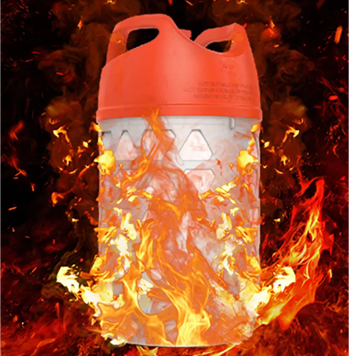
Fiber gas cylinders also feature an external fire-resistant layer that helps shield them from direct flame exposure. Unlike steel cylinders, which can heat rapidly and deform, composite cylinders maintain their structural integrity for longer periods under fire conditions. This design provides extra time to remove cylinders from danger zones or extinguish nearby flames, significantly reducing the risk of fire-related accidents.
Visual Liquid Level and Leak Monitoring
Modern fiber gas cylinders often include transparent sections or visual indicators that allow users to monitor LPG levels without opening the cylinder. This feature prevents overfilling, which could increase internal pressure and fire hazards. Some cylinders also incorporate leak detection mechanisms, alerting users to potential gas leaks early. These monitoring features add an extra layer of safety, making fiber cylinders suitable for both home kitchens and high-capacity commercial environments.
Structural Integrity
The layered construction of fiber gas cylinders ensures structural integrity even under heat exposure. The combination of HDPE, fiberglass, and epoxy resin absorbs and distributes thermal and mechanical stress, preventing catastrophic rupture. This resilience provides peace of mind for homeowners, chefs, and industrial operators, ensuring safe operation even in challenging conditions.
Safety Testing and Certification
Fiber gas cylinders are subject to rigorous safety testing and certification. Manufacturers conduct pressure testing, fire-resistance evaluation, and leak detection to ensure compliance with international and local standards. Certified cylinders typically meet or exceed requirements set by ISO, EN, and national regulatory bodies, confirming their reliability under extreme conditions.
Another advantage of fiber gas cylinders is their low maintenance requirement. In real-world applications, these cylinders often remain in service for over 20 years without frequent inspections or repainting. In contrast, steel cylinders typically require replacement or extensive maintenance after 8–12 years due to corrosion and structural fatigue. This longevity translates into reduced costs, fewer safety risks, and improved convenience for users.
Real-World Applications Enhancing Safety
The safety advantages of fiber gas cylinders are apparent across multiple practical scenarios:
Household Kitchens
In residential settings, fiber gas cylinders reduce the risk of burns, leaks, and explosions. Their lightweight design allows for easier handling, while visual LPG indicators help prevent overfilling. Homeowners benefit from enhanced fire safety and reduced maintenance, making fiber cylinders a safer and more convenient choice for everyday cooking.
Restaurants and Hotels
Commercial kitchens often require large-volume LPG storage to sustain continuous cooking operations. Fiber gas cylinders provide a lightweight yet durable solution, capable of withstanding heat, chemical exposure, and frequent refilling. Fire-resistant features protect kitchen staff and reduce liability risks, while structural reliability ensures safe, uninterrupted operation in high-demand environments.
Industrial and Construction Sites
In industrial or construction applications, LPG cylinders must endure harsh environmental conditions such as high temperatures, impacts, and outdoor exposure. Fiber gas cylinders excel in these contexts due to their heat resistance, impact tolerance, and leak-prevention features. They provide safe, portable energy delivery, enabling secure operation in mobile energy setups, temporary worksites, and industrial processes.
Conclusion
Fiber gas cylinders are redefining LPG safety standards across households, commercial kitchens, and industrial sites. Their advanced composite materials—HDPE inner liners, fiberglass reinforcement, and epoxy resin coatings—provide exceptional resistance to fire, heat, and corrosion. Combined with progressive pressure release valves, leak monitoring, and visual LPG indicators, fiber cylinders offer safety levels far beyond traditional steel cylinders.
Users benefit from long-term reliability, reduced maintenance costs, and peace of mind, with cylinders often safely serving for over 20 years. Whether in kitchens, restaurants, hotels, or industrial sites, fiber gas cylinders provide a modern, fireproof, and convenient solution for LPG storage and usage.
Choosing certified fiber gas cylinders and adhering to safe handling practices ensures maximum protection against fire hazards, while taking full advantage of the innovative materials and design that make these cylinders the future of LPG safety.
FAQ
1. Are fiber gas cylinders fireproof?
Fiber gas cylinders are fire-resistant, made with HDPE liners, fiberglass reinforcement, and epoxy coatings, designed to withstand high temperatures and flame exposure.
2. How do they prevent explosions?
They use a progressive pressure release valve to safely release gas if internal pressure rises, reducing explosion risks.
3. Can they be used in humid or coastal areas?
Yes. The HDPE liner and composite structure resist corrosion, making them durable in humid or salty environments.
4. How can I check the LPG level?
Many cylinders feature visual indicators or transparent sections for easy monitoring, preventing overfilling and pressure hazards.
5. How should I handle them safely?
Keep cylinders upright, avoid prolonged flame exposure, check valves regularly, and follow manufacturer handling guidelines.


